

Laser cutting machine process industrial technology
Laser cutting is a method of cutting and engraving materials accurately and efficiently using a high-power laser beam. From metal to wood to plastic, laser cutting is suitable for a variety of materials and has become an essential tool in many industries.
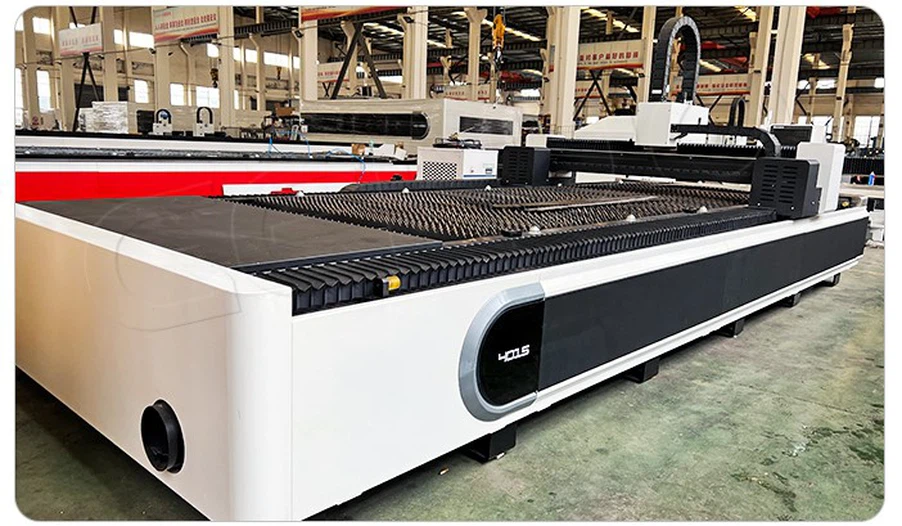
Several different techniques are used in laser cutting.
There are four different cutting techniques depending on the type of auxiliary gas:
1. Fusion cutting
This technique is used for materials with high melting points, such as metals. The laser beam heats the material, melts it, and then uses a stream of gas to pressurize the auxiliary gas to blow the molten metal out of the cut, increasing the cutting speed and reducing the laser power required to cut the material. In perfusion cutting, the auxiliary gas does not help melt the material, but only after the laser melts the material. An inert gas (nitrogen) is often considered an auxiliary gas for cutting, a technique also known as melt and blow cutting.
2. Flame cutting
This technique is used for materials that react with oxygen or other gases, the laser beam heats the material, introduces the gas, the oxygen reacts with the heated material, creates a flame, and at the same time, uses a hyperbaric oxygen airflow to blow away the molten metal, thus achieving cutting. This increases the input power of the material and facilitates laser beam cutting of the material.
Flame cutting is usually used for thick carbon steel materials. The auxiliary gas (oxygen) is involved in the combustion and melting of the material in flame cutting, which is also known as reactive cutting due to the reaction between the oxygen and the heated material.
3. Sublimation cutting
This technique is used for materials with low melting points, such as paper and plastics. The laser beam heats the material, causing it to vaporize and evaporate, and sublimation cutting occurs when thin materials, such as foils and fabrics, are cut without an auxiliary gas.
In this method, the laser beam directly vaporizes the material rather than melting it, and the high energy can evaporate the material on the focus, thus forming a narrow incision, which is also called vaporization cutting.
4. Influence cutting
Impact cutting is used for materials that are difficult to cut with continuous laser beams, and it involves a rapidly pulsed laser beam forming overlapping holes in the surface of the material. Impact cutting is commonly used to cut brittle materials such as ceramics and glass.
Different types of lasers should be based on the actual application and material. For example, CO2 lasers are commonly used to cut various materials, and fiber lasers are generally used to cut metals. Laser cutting machine uses the synergistic effect of high energy laser beam and auxiliary gas to achieve accurate and efficient cutting of metal materials.
Compared with traditional cutting methods, laser cutting has many advantages, it is more accurate, requires less maintenance, and can cut more materials. As technology continues to advance, laser cutting will undoubtedly become more efficient and easier to use.
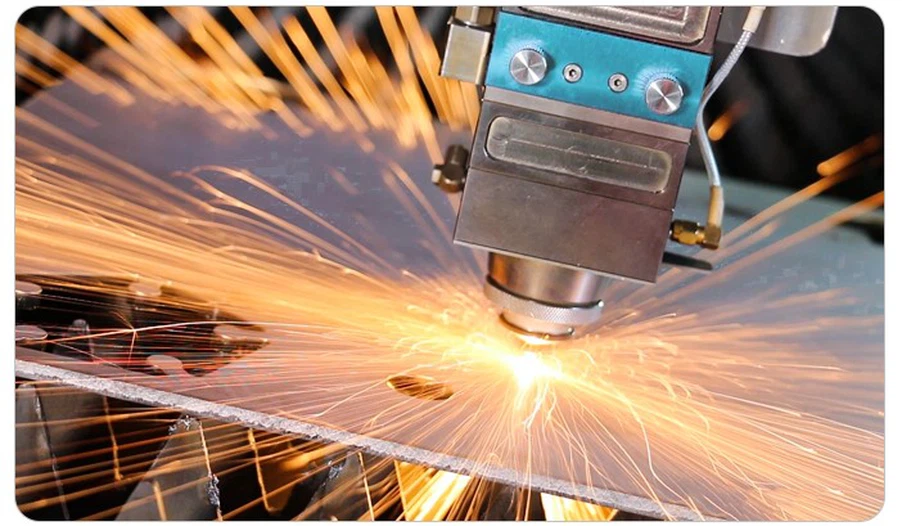
Working process of laser cutting technology
Step 1 : Design
Designed using computer-aided design (CAD) software that is loaded onto the laser cutter, the process starts with a digital design created in the computer software that includes what the machine will cut or carve.
Step 2 : Transformation and calibration
Convert the digital design into a format that the laser cutter can understand. This format is a file type commonly referred to as CNC(shorten blade distance and increase productivity by reducing manufacturing time) or G code. Complex shapes require CAM(computer-aided Manufacturing) software to automatically generate a G-code from the provided CAD(computer-aided design) file, which is then sent to the laser cutting machine controller via a Wi-fi connection or USB drive.
After setting the best parameters for the process, the laser cutting machine is calibrated again to ensure that the laser beam is correctly aligned.
Step 3 : Prepare materials
Put the material to be cut into the laser cutting machine, adjust the position according to the type and thickness of the material, it is important to ensure that the material is safe and will not move during the cutting process. This setting includes the power of the laser, the speed at which the laser is moving, and the focus of the laser beam, with the best parameters depending on the model of the laser cutting machine and the type of material being cut.

Step 4 : Cutting process
Once everything is set up and operating, you can start cutting and sculpting. The laser beam is aimed at the material, cutting along the designed line, and the accuracy of the cutting is determined by the power and focus of the laser beam.
The laser source comes from a laser resonator, which sends a solid beam of light through a mirror system to the cutting hair. Inside the cutting head, the laser is focused by a lens into a thin, focused beam. The beam can be guided on the material along a numerically specified path to cut or rasterize the raw material. As the light moves along the path, it melts, burns, or vaporizes the material, allowing for precise cutting and engraving.
The laser cutter can also blow away excess material through a gas jet, and the cutting head is usually fixed to the gantry, which is a mechanical system. A belt or chain usually drives the system and allows the cutting head to move accurately in a specific rectangular area (the size of the table). The gantry allows the cutting head to move back and forth over the workpiece for precise cutting anywhere on the bed, and the laser should be focused on the material being cut for optimal cutting.
All laser cutting machines need focusing procedures before cutting to ensure excellent laser cutting results.
Step 5 : Finishing and inspection
Once the cut is complete, the material may need finishing, which may include removing any burrs or smoothing any rough edges.
Because in addition to the function of the laser itself, the laser cutting machine is also equipped with auxiliary gas, which is sprayed out of the cutting head during the cutting process, helping to cool the material and clean the melted metal. Therefore, the laser cutting machine can not only provide accurate cutting, but also keep the cutting surface clean and smooth.
Finally, after the material is cut and sculpted, the finished product is cleaned if necessary to check accuracy and remove any debris.

In short, laser cutting is an advanced, efficient method of cutting materials that offers high precision, speed, and versatility, making it an important tool for many manufacturing and design applications. Training and knowledge is essential when operating a laser cutting machine, not only to achieve safety but also to maintain the best results of the job; In addition, the machine needs regular maintenance to maintain its ability to work efficiently. As laser cutting technology continues to advance, we can expect further improvements and new applications in the coming years!
After knowing this, you can visit our website, if you need to learn more about laser cutting machines or buy machines, you can also consult our sales staff, they can recommend the most suitable industrial cutting machine for you.


