

What are the potential hazards of press brakes? And use precautions
Hydraulic press brakes are widely used in many industries for bending, folding and forming metals, they make metal working easier, more efficient and more precise. As an essential component in all walks of life, hydraulic press brakes rely on hydraulic oil to generate tremendous force to bend metal into the desired shape.
However, although hydraulic press brakes are very helpful, the potential dangers of using hydraulic press brakes cannot be ignored, and there are many accidents related to the use of hydraulic press brakes every year. Therefore, it is vital to understand the potential hazards of pressure mechanisms and how to use them safely.

What are the potential hazards of press brakes?
1. Crushing accidents and crushing injuries:
Common injuries associated with the use of hydraulic press brake are crushing accidents and crushing injuries, the pressure used by hydraulic press brake can be very high and can crush anything caught in the middle. Operators must keep fingers, hands, and other body parts away from bending molds and other moving parts. Improper use of the machine can result in serious injury and can lead to lifelong disability.
Therefore, all operators must be trained in the proper use of press brakes and all safety precautions that must be taken.
2. Electrical hazards:
The hydraulic system used in press brakes requires a large amount of electricity to operate, which means electrical hazards can occur if there is a short circuit, and electrical hazards such as electric shock, burns and fire can also occur if the machine is not properly maintained. Electrical wiring and electrical components should be checked regularly to ensure that they are working properly and are not damaged or worn, and workplace safety procedures should include checking electrical components in machinery.
3. Noise pollution:
Press brakes can be very loud, which can cause hearing damage to operators and bystanders. Noise monitoring should be carried out regularly to ensure that machinery noise does not exceed acceptable levels. Operators and bystanders should wear hearing protection to protect their ears from injury.
4. Risk of falls:
Operators operating press brakes on elevated platforms must wear safety belts to avoid falling accidents. All platforms should be inspected for damage before use, and regularly repaired and maintained to ensure their structural integrity. Workers operating press brakes on elevated platforms must wear appropriate safety belts and equipment.
5. Overload accident:
The maximum carrying capacity of the press brake should not exceed this capacity. Overloading can cause the machine to malfunction or collapse, resulting in accidents and injuries. The machine manufacturer's instructions on maximum loads must be followed and all operators must be well trained and familiar with the limits the machine can handle.
6. Falling parts:
The weight of moving parts is usually high, and if they are not properly secured, they can fall or move accidentally, causing injury. In the process of handling or maintenance of the press brake, we must pay attention to the surrounding mechanical parts and estimated weight, and reasonably allocate the operator to carry the machine.
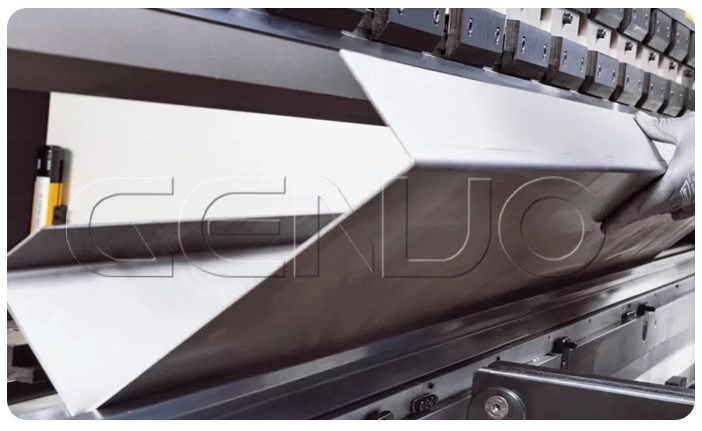
In addition, many employers or users often neglect the safety training of press brake operators, and many press brake manufacturers do not provide adequate safety protection devices.
The main danger of using press brakes is that the operator may bypass the safety guard and enter the bending zone of the machine, and secondly, the rapid movement of the clamp and rear gauge also poses a risk to the operator. Therefore, whenever a new press brake is installed, upgraded or refurbished, the risk factors associated with the press brake must be re-evaluated.
On the other hand, the stop time of the hydraulic press brake is shorter, and more protective measures can be implemented.
Common hazards during the use of press brakes can occur in a variety of activities, such as setting up and adjusting the machine, bending with press brakes, cleaning machine clogs, lubricating the machine, and performing maintenance.
Other common hazards include touching the foot switch during operation, being crushed when bent, and injuries caused by not properly closing the relevant parts. Therefore, when using or servicing the machine, such as when replacing punches and molds, individuals may be pinched or injured by the rear gauge.
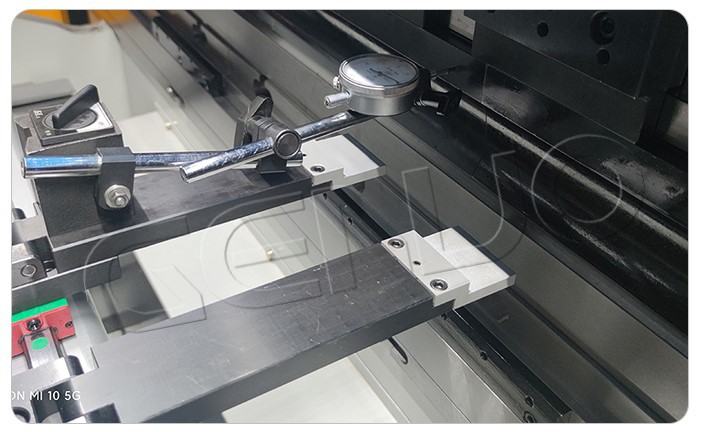
Basic safety and precautions for using hydraulic press brake:
First of all, read and understand the manufacturer's instructions on press brake operation and maintenance, this will enable you to know how to best use the press brake and what to do in an emergency. Then make sure the clutch brake is well lubricated and maintained to prevent any problems that may arise due to poor maintenance of the brake.
Secondly, operators should be properly trained to operate the machine safely. They should understand the functions and safety features of the machine. Before starting the machine, the operator should check all the components to ensure that everything is working properly, unless the machine is turned off, the operator should not enter the operating point.
Another important safety rule is to make sure you wear proper personal protective equipment when using press brakes. This will help protect you from any flying debris or other hazards from the press brake. Some common types of personal protective equipment include gloves, safety glasses, and hearing protection.
Finally, when maintaining the machine, appropriate locking and marking procedures should be followed to prevent accidental start-up.
The workpiece should be firmly placed and fixed on the bed to prevent any accidental movement, keep the press brake working area clean and tidy, and be vigilant in removing any debris or objects that may pose a safety hazard. It is also vital to check the press brakes regularly to make sure they are in good working order, check the press brakes for any damage or wear, and replace any worn parts immediately.
In short, the safe and efficient use of the press brake to ensure an efficient working environment is essential.
Hydraulic press brakes have many benefits in the metalworking industry, but they are also potentially dangerous and operators must be aware of this. Injuries and accidents can occur if safety precautions are not followed, so it is critical to stress the importance of following safety guidelines and proper training. By taking the necessary safety precautions, you can avoid injuries and accidents and maintain a positive working atmosphere where operators cannot be complacent and must adhere to guidelines. Remember to check the press brakes frequently, wear personal protective equipment, and never compromise on safety, in addition, through proper training, the implementation of safety procedures, and regular inspection and maintenance, you can minimize press brake accidents and can safely use the machinery.
After knowing this, you can visit our website, if you need to learn more about CNC press brake machine knowledge or buy a machine, you can also consult our sales staff, they can recommend you the best smart press brake for you.


